




Dodge Recommended Service Schedule Explained

Author: West Herr Chrysler Dodge Jeep RAM of Orchard Park
Why Should You Follow a Maintenance Schedule for Your Dodge?
Following a maintenance schedule is essential for protecting your investment in your Dodge and ensuring it remains reliable in the unique climate of Orchard Park. With hot summers that strain fluids and belts, and the heavy pollen during spring that can block air filters, regular maintenance is your best defense against local conditions. The frequent short trips around town or commutes into Buffalo can exacerbate wear and tear, making scheduled service even more critical.
By adhering to the recommended maintenance schedule, you enhance your vehicle’s performance, fuel efficiency, and safety. A well-maintained Dodge, whether you’re taking a weekend drive to Chestnut Ridge Park or heading to a Bills game at Highmark Stadium, ensures you’re driving a vehicle that operates as intended. This not only prevents breakdowns but also gives you peace of mind, knowing your car is up to the task. For more insights on vehicle care, resources like Edmunds offer a wealth of information.
How Does Dodge’s Service Reminder System Work?
Many Dodge vehicles notify drivers when maintenance is due through various reminder systems. Depending on the model and year, this notification can either be a straightforward time and mileage counter or an advanced system that adjusts based on how the vehicle is used. This means that whether you’re cruising down US Route 219 or navigating the busy streets of Orchard Park, your vehicle is designed to help you stay on top of maintenance needs.
When it’s time for service, drivers typically see a dashboard message, a service indicator like a wrench light, or a maintenance reminder that may include an oil-life percentage. It’s important to remember that the specifics can vary by model, and for the most accurate information, you should consult the owner’s manual. Additionally, factors such as frequent short trips, stop-and-go traffic in Hamburg, towing, and temperature swings in the Buffalo area can impact how often maintenance is necessary.
What Does the Primary Service Reminder Mean?
After understanding how service reminders work in general, it’s important to recognize what the primary reminder signifies for your vehicle. This reminder serves as a high-level alert indicating that scheduled maintenance is either due or approaching. Depending on the model and year, you might see a straightforward message or indicator, while others may offer more context through a maintenance menu or additional details. For the most accurate information on what needs attention, refer to your owner’s manual and the in-vehicle maintenance display.
Primary reminder: This is a general signal prompting you to check your vehicle’s scheduled maintenance guidance and arrange for service. It typically indicates that maintenance is due, but it may not specify each individual service item.
Additional details (if shown): Some vehicles may present extra information—such as a maintenance screen, percentage, descriptive messages, or symbols—that provide clarity on what requires attention. If your vehicle offers these insights, use them alongside the owner’s manual to confirm the recommended service actions.
What Do Additional Service Indicators Mean?
Many vehicles offer more than just a basic service reminder. They can display extra items, symbols, or menu entries that provide insight into upcoming maintenance needs. While not all Dodge models include these features, and their presentation may vary, the indicators below are common examples that some vehicles may show. For specific meanings, consult your vehicle’s owner’s manual or the display information.
- Tire rotation: Regular tire rotation promotes even tread wear and improves handling. If you frequently drive in stop-and-go traffic around Orchard Park or make short trips to nearby Hamburg, this can accelerate tire wear.
- Engine and cabin air filters: The engine air filter ensures proper airflow for performance, while the cabin air filter maintains air quality inside your vehicle. Local dust and seasonal pollen can clog these filters, especially with the heavy traffic often found in Orchard Park.
- Transmission fluid: Keeping track of transmission fluid service is important for long-term vehicle health. Short trips and stop-and-go driving can increase the heat and stress on your transmission, making this service vital.
- Spark plugs and valve clearance check (when applicable): Some engines require periodic spark plug replacement and may also need a valve clearance check. These services are typically scheduled for higher-mileage intervals.
- Engine coolant: Coolant regulates engine temperature and protects components. Hot weather and extended highway driving can put extra demands on your cooling system, making this maintenance significant.
- Rear differential fluid (AWD/4WD, if equipped): Vehicles with all-wheel drive or four-wheel drive may require differential fluid service. Driving in wet conditions or on uneven surfaces, particularly during the winter months, can strain these components.
- Brake fluid: As brake fluid ages, it can absorb moisture, which may affect braking efficiency. If your vehicle’s maintenance schedule calls for brake fluid service, adhere to the recommended intervals for optimal safety.
What is a Typical Dodge Service Schedule for Orchard Park Drivers?
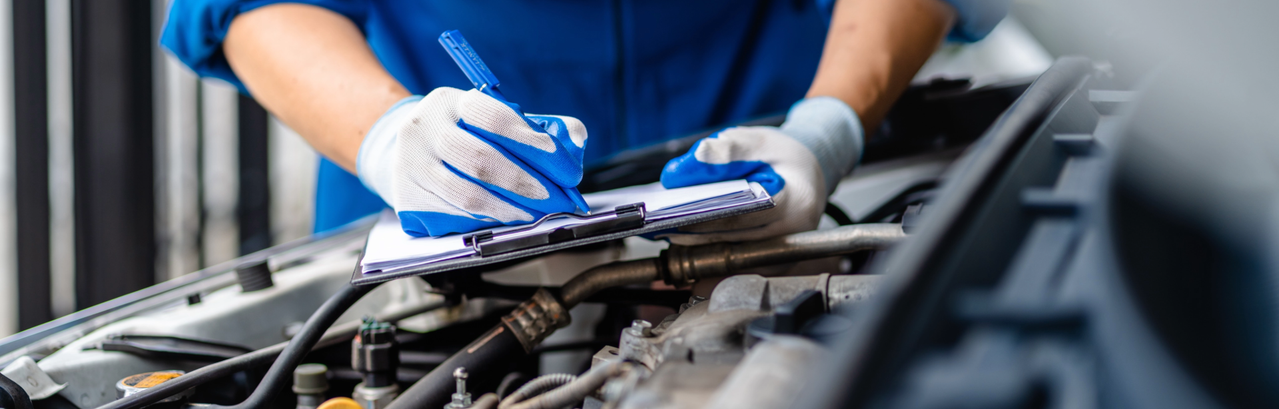
Even if your Dodge comes equipped with service reminders or maintenance information in the dash, it’s still beneficial to familiarize yourself with the typical timing of maintenance milestones to plan ahead. This overview serves as a helpful reference that complements your owner’s manual and any in-vehicle guidance.
What Services Are Needed in the First 30,000 Miles?
In the first 30,000 miles, most drivers focus on essential services like routine oil changes, tire rotations, and filter maintenance. The specific timing for these services varies based on your Dodge model, driving habits, and the recommendations found in your owner’s manual.
Oil service: Generally, many Dodge vehicles will require oil changes depending on usage. For example, if you frequently navigate the stop-and-go traffic of Big Tree Road or experience short trips in Orchard Park, you might find that oil changes are needed sooner than if you primarily drive on the highway.
Tires and filters: Tire rotations are often scheduled early in ownership, typically aligned with oil changes or at regular intervals, to ensure even wear. Additionally, monitoring engine and cabin air filters is important, especially with the local pollen, dust, and construction in the Orchard Park and Hamburg areas.
What Maintenance Should Be Done Between 30,000 and 60,000 Miles?
Between 30,000 and 60,000 miles, maintenance often shifts from basic upkeep to more involved services aimed at protecting key systems. The exact timing of these services varies by Dodge model, powertrain, and driving conditions, so it’s essential to consult your owner’s manual and in-vehicle maintenance information for the specifics.
Transmission fluid: Maintaining fluid quality is crucial for smooth shifting and the longevity of one of your vehicle’s most complex systems, especially when navigating local roads such as Union Road (NY 277) or Orchard Park Road (NY 240).
Brake fluid, brakes, and tires: Regular inspections of your brakes and tires become increasingly vital for safe handling and stopping—whether you’re commuting through traffic on Milestrip Road (NY 179) or cruising on the Southern Expressway (US 219). For insights on vehicle reliability and performance comparisons, consider checking out Consumer Reports.
What Major Services are Required Approaching 100,000 Miles?
As your Dodge approaches the 100,000-mile mark, several key maintenance items often come into play. However, the exact timing for these services will depend on your specific model and engine type, so it’s always best to consult the owner’s manual and any in-vehicle maintenance information for precise guidelines.
Spark plugs: Many Dodge vehicles benefit from spark plug replacement, although the exact interval can vary. Fresh spark plugs are essential for maintaining engine efficiency and smooth operation, ensuring reliable starts and optimal fuel economy—especially important for those daily commutes on roads like NY-277 or US-20A as you navigate through Orchard Park.
Timing belt (if equipped) and coolant service: For some older Dodge engines, a timing belt replacement might be necessary, while many newer models use a timing chain. Additionally, coolant service is often recommended, as flushing or replacing the coolant helps protect the engine from overheating and corrosion over time. Staying on top of these maintenance milestones supports the longevity of your vehicle and can enhance its resale value.
Why is Local Expertise Important for Servicing Your Dodge?
Having a service team that understands the unique climate and road conditions of Orchard Park is invaluable for maintaining your Dodge. Here, the hot summers and humid days can put extra strain on your vehicle’s air conditioning and engine components. Additionally, the pollen and clay typical of the area can clog air filters faster than in other regions. Our technicians are trained to recognize the specific wear patterns that local driving habits create, from the stop-and-go traffic on US-20A through Orchard Park to the winding roads around Chestnut Ridge Park. This local expertise ensures that your Dodge is always ready to tackle whatever the roads throw at it.
For further insights, consider checking out the National Highway Traffic Safety Administration (NHTSA) for crucial safety information, as well as the official Dodge Owners site for model-specific maintenance tips and resources.
Frequently Asked Questions (FAQs)
How often should I really change my oil in Orchard Park’s climate?
Your vehicle’s service reminder or owner’s manual is the most reliable source for oil change intervals, which can vary based on driving habits. In Orchard Park’s snowy winters and humid summers, many drivers find that regular oil changes, especially with synthetic oil, are a good rule of thumb.
Are all-season tires enough for Orchard Park’s winter conditions?
High-quality all-season tires can perform well in most conditions, but for the harsh winters typical in Orchard Park, dedicated winter tires are recommended for optimal traction and safety on icy roads.
Does commuting on local highways affect my service intervals?
Yes, it does. If you frequently navigate stop-and-go traffic on routes like NY-277 or US-219, it can increase wear on your vehicle, potentially leading to more frequent service needs. Pay attention to your service reminder system, as it may suggest more frequent maintenance.
With all the pollen in spring, how often should I change my cabin air filter?
Inspecting your cabin air filter regularly is a smart move, particularly after the heavy pollen season in spring. Many drivers find that regular replacement keeps the air clean and ensures your A/C runs efficiently during warm months.
Is AWD worth it for driving in Orchard Park?
For many residents, having a Dodge model with AWD is a significant advantage in Orchard Park’s snowy winters, providing superior traction and stability during adverse weather conditions, making commutes safer and more confident.
My vehicle doesn’t have a service reminder system. What schedule should I follow?
If you own an older model without a service reminder, aim to follow the intervals listed in your owner’s manual for oil changes and other services, like fluid changes and filter replacements, to maintain your vehicle’s health.
About West Herr Chrysler Dodge Jeep Ram of Orchard Park
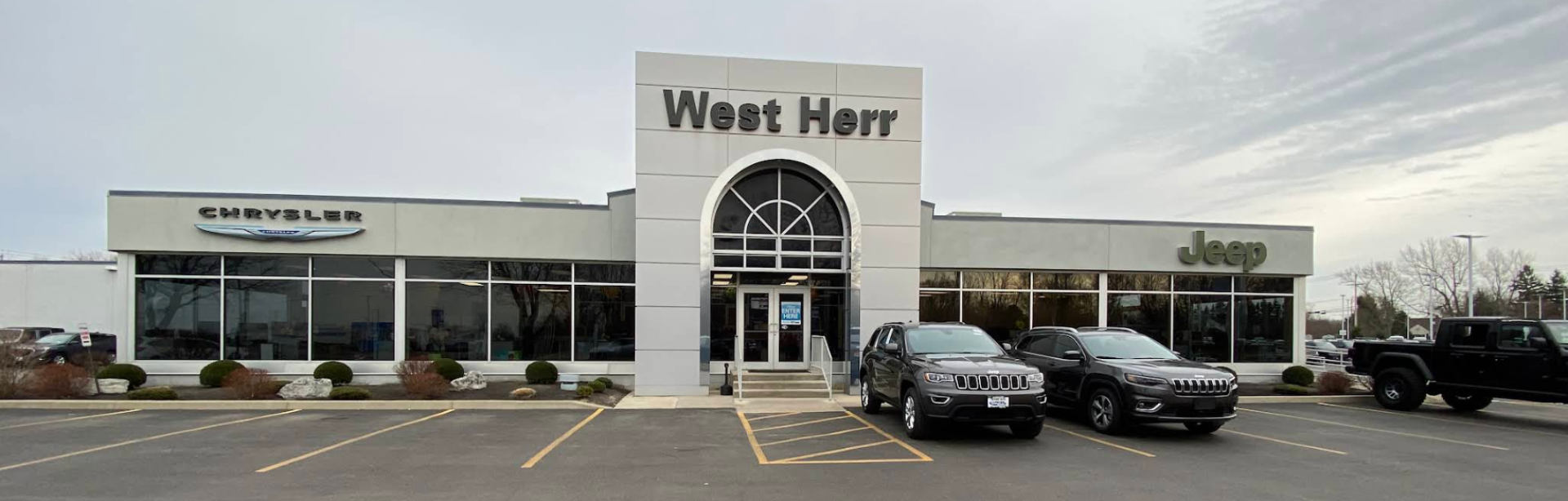
West Herr Chrysler Dodge Jeep RAM of Orchard Park is part of the West Herr Auto Group, which has been proudly serving the Western New York community for over 70 years. Our dealership is dedicated to providing an exceptional customer experience, built on a foundation of trust and a commitment to our local community. We strive to make vehicle service as convenient as possible, ensuring every customer leaves satisfied and confident in their vehicle’s performance.

0 comment(s) so far on Dodge Recommended Service Schedule Explained